Košice IT Valley continues to systematically support entrepreneurship, creativity and practical skills of young people in Eastern Slovakia through the Lab IT Creativity 2.0 project. This long-term educational initiative, now in its fifth year, connects high school students, university mentors, the university environment and IT companies in the Košice region.
The project aims to develop young people’s technical, digital, entrepreneurial and soft skills through project-based learning, mentoring and direct contact with practice.
Cooperation that makes sense
The Lab IT Creativity project was created as a joint initiative to promote talent and innovation in the region. It involves secondary schools from the Košice region, mentors from the Faculty of Electrical Engineering and Informatics of the Technical University of Košice, IT companies and organisations supporting the innovation ecosystem, such as the Košice Self-Governing Region and the Innovation Centre of the Košice Region.
Together they create an environment where students have the opportunity to work on their own projects, get feedback from experts and get to know the technological and business environment directly in practice.
The implementation of the Lab IT Creativity 2.0 project was also supported by the Slovak Business Agency, thanks to which it was possible to bring even higher quality content focused on the development of entrepreneurial thinking, creativity and presentation skills.
“Lab IT Creativity is a beautiful example of how collaboration between schools, university, technology companies and regional organisations can work,” says Miriama Hučková, Executive Director of Košice IT Valley. “It’s connections like these that help young people develop their talents and see their future in the region’s technology ecosystem.”
Student projects under the scrutiny of experts
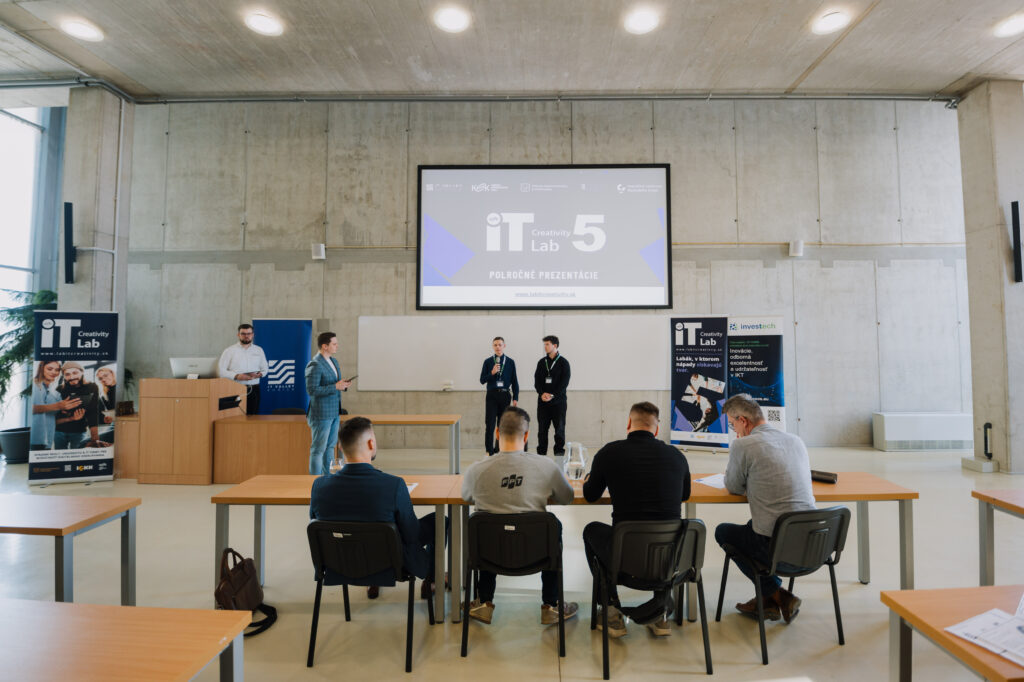
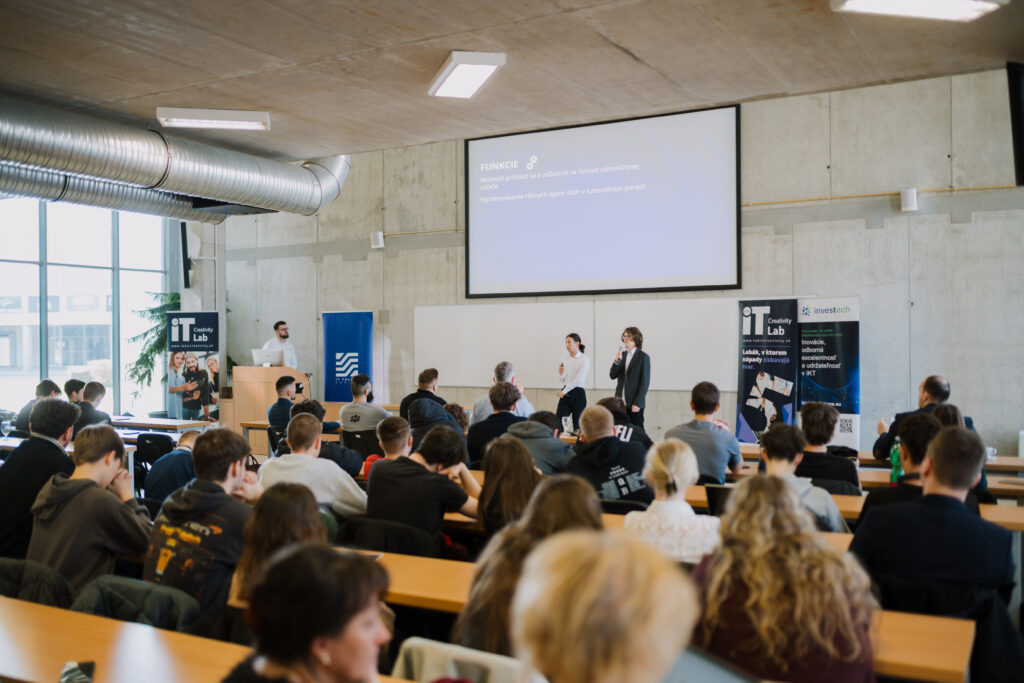
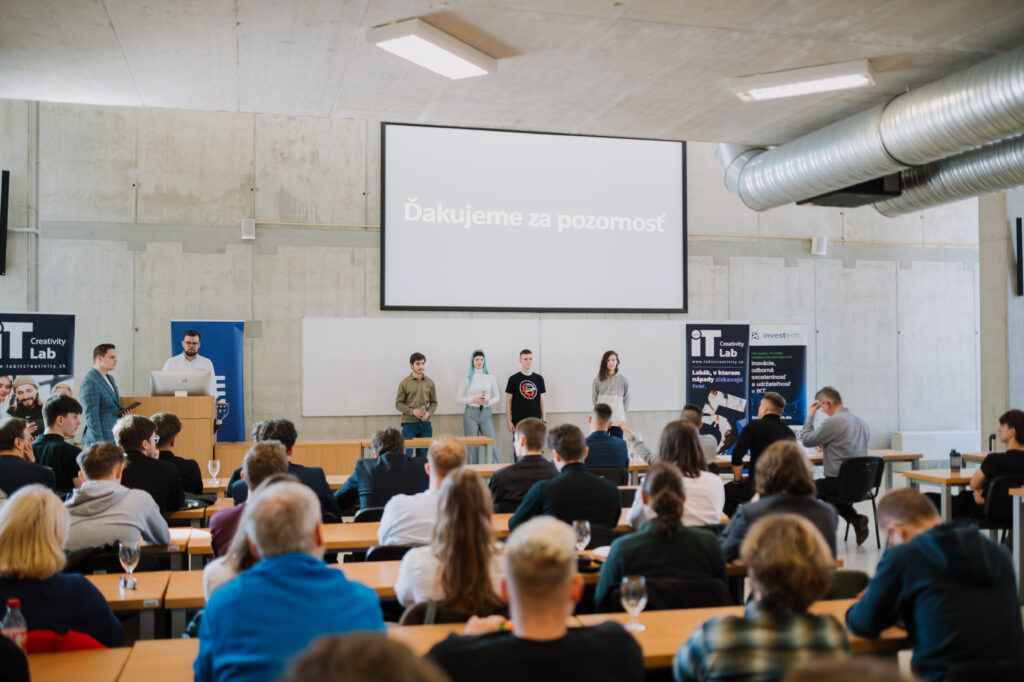
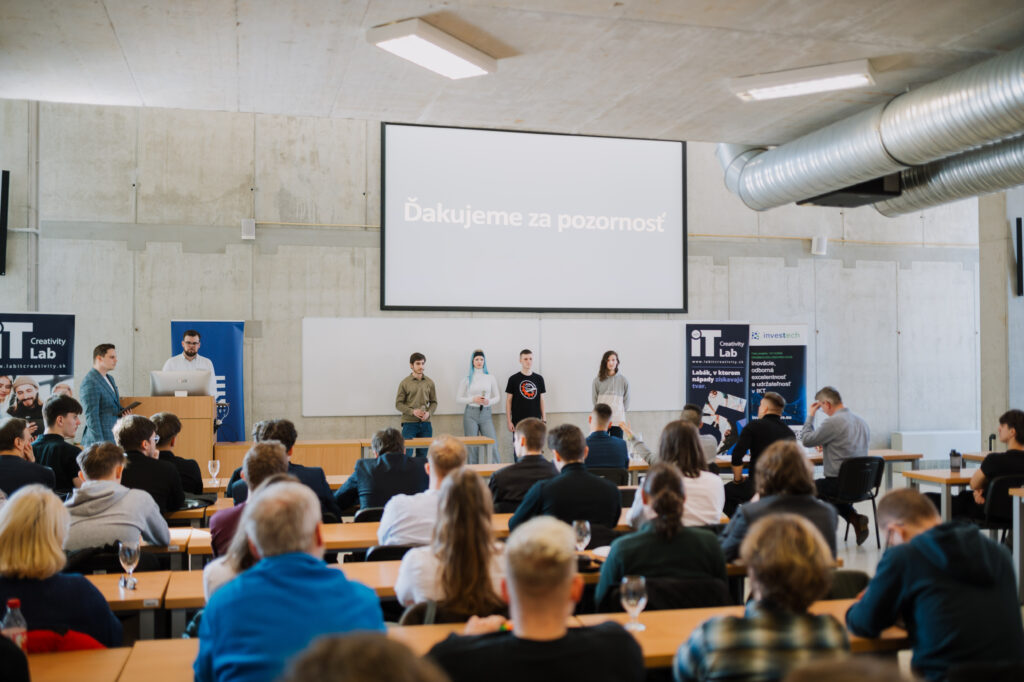
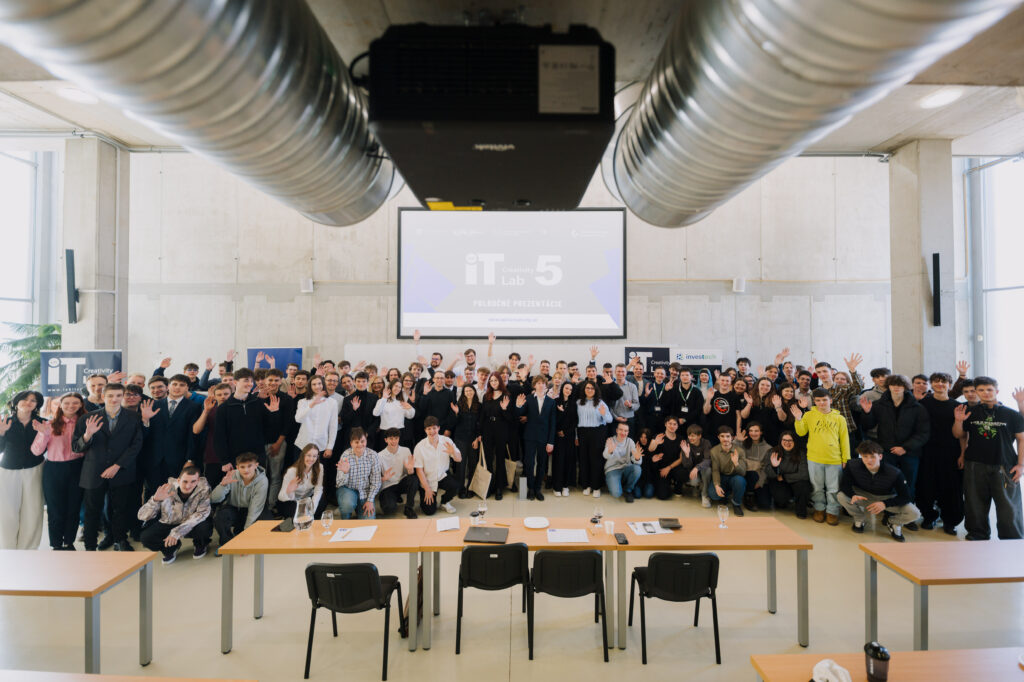
One of the key activities was the semi-annual presentations of student projects. During these presentations, teams presented their solutions in front of a panel of experts and received valuable feedback.
It was not only about the technical evaluation of the projects, but also about the development of the skills to present, argue, respond to questions and work with constructive criticism. The programme also included the announcement of winners in categories such as innovation, technological design and contribution to the community.
From idea to solution
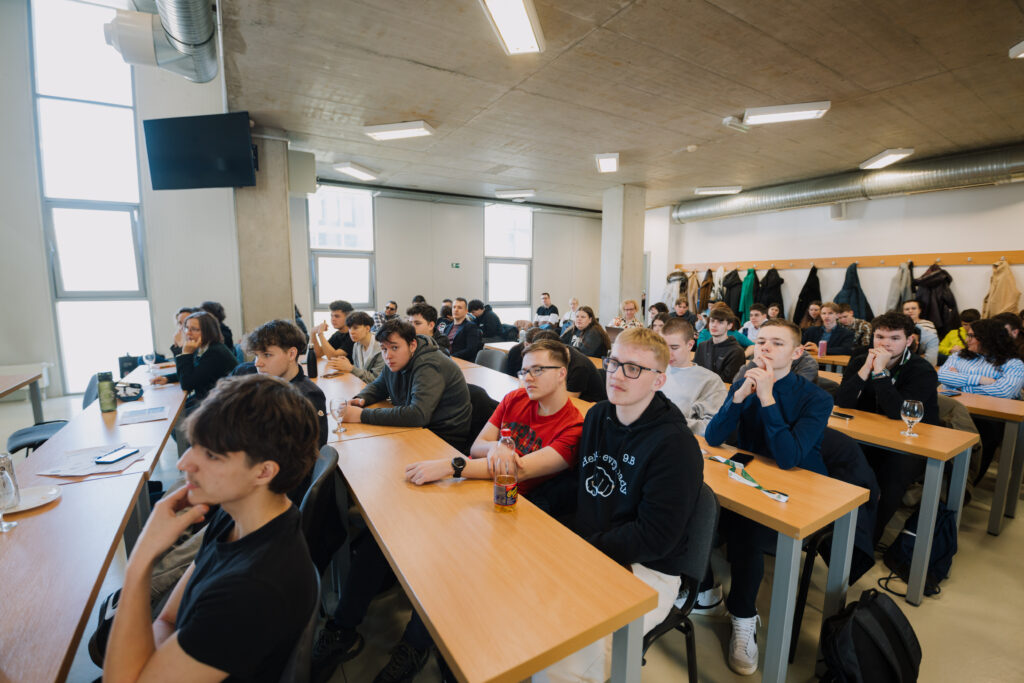
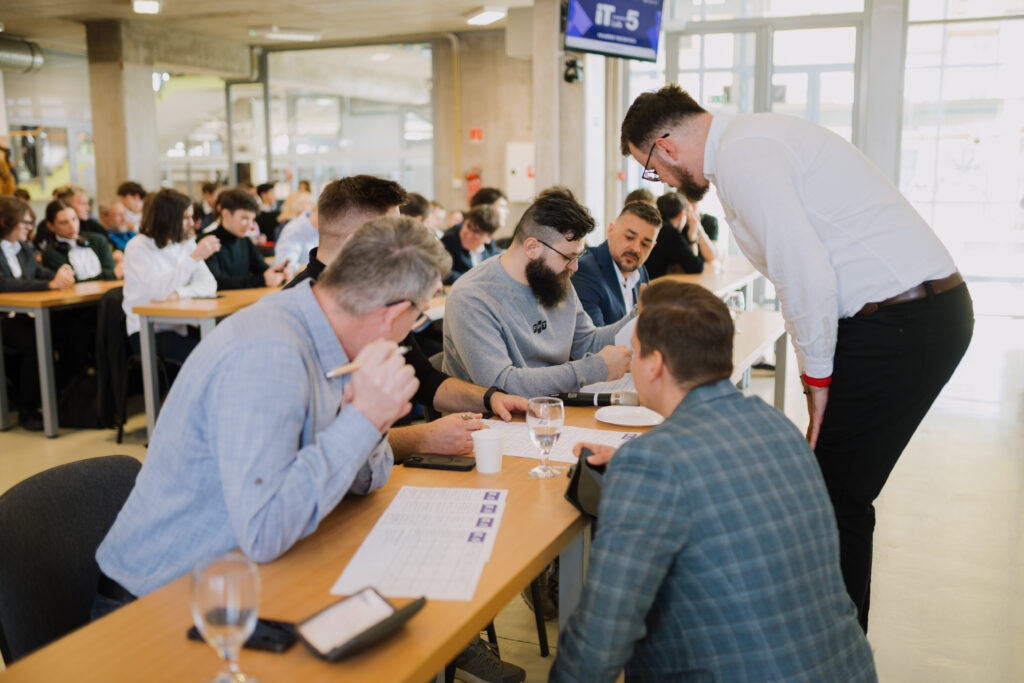
The presentations were followed by a series of workshops focused on entrepreneurial thinking. The students covered topics such as identifying opportunities, creating solutions, building a business model and pitching.
The workshops helped them understand how to turn an idea into a real product and how to communicate it effectively. Emphasis was also placed on teamwork, working with feedback and managing uncertainty, which is a natural part of innovation.
Direct contact with practice
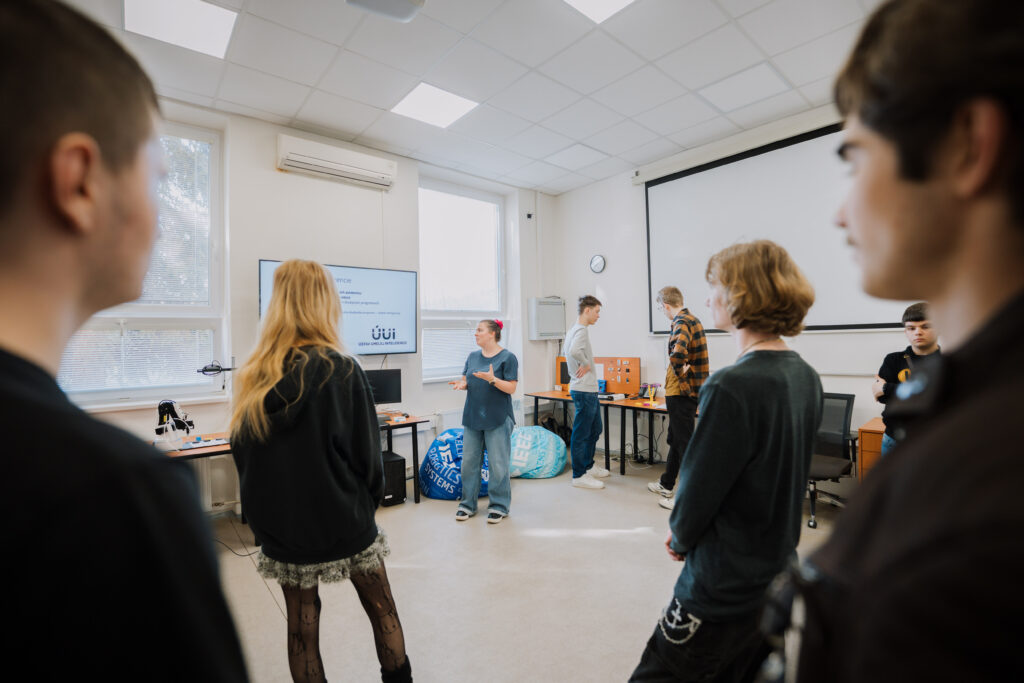
Workshops and excursions in companies and at the university were also an important part of the project.
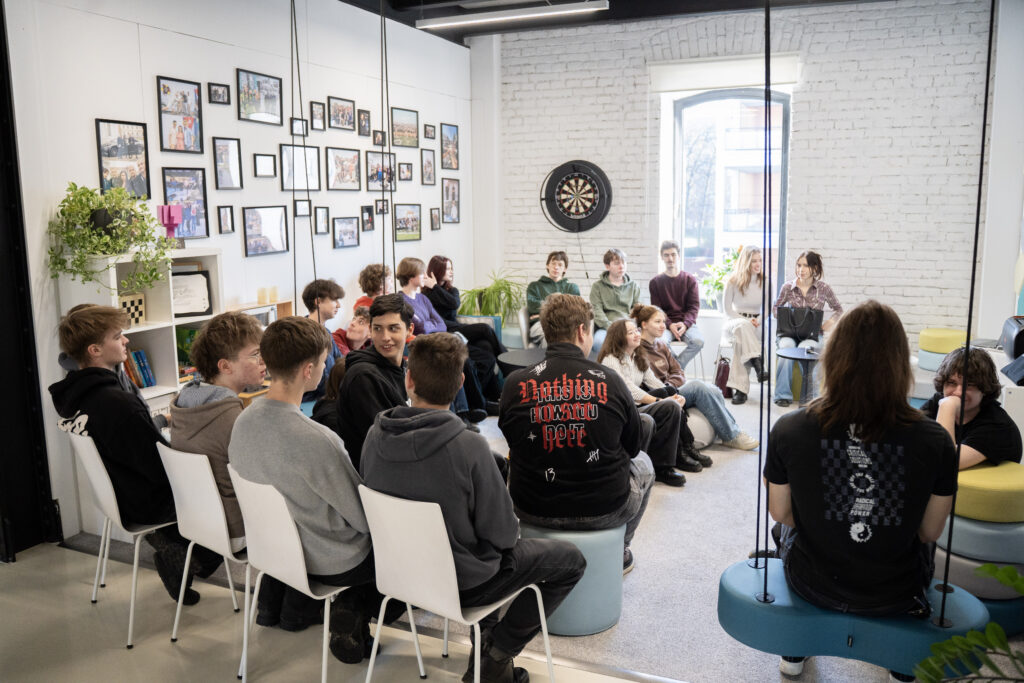
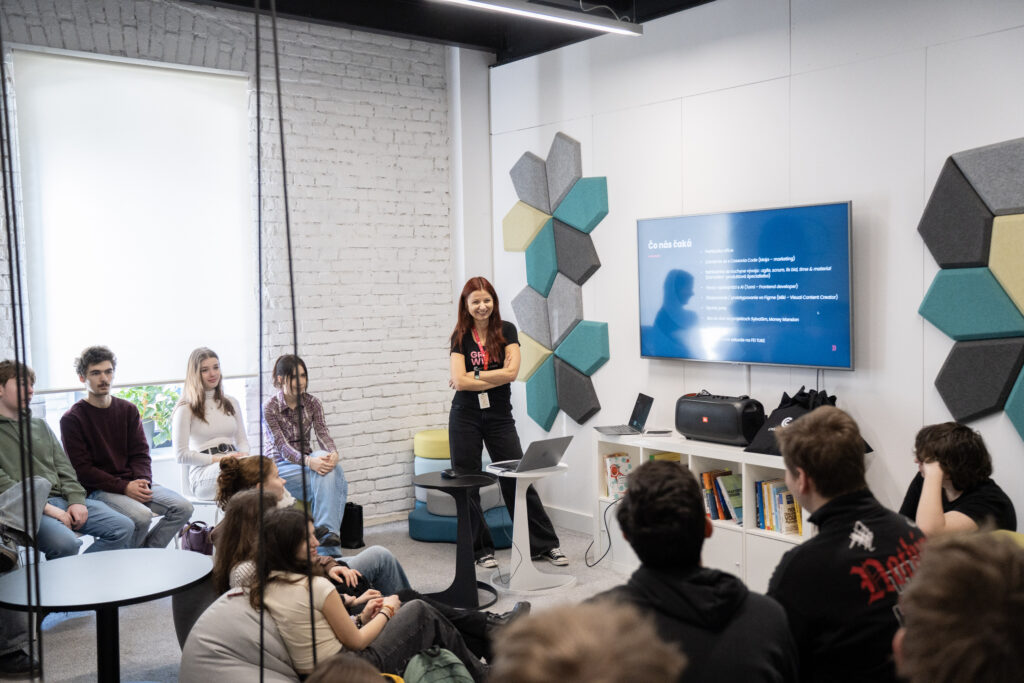
In the company Cassovia Code, students from Šrobárova Gymnasium got acquainted with the functioning of an IT company, teamwork and the process of developing digital products. They gained an overview of agile development, user interface design and the use of artificial intelligence.
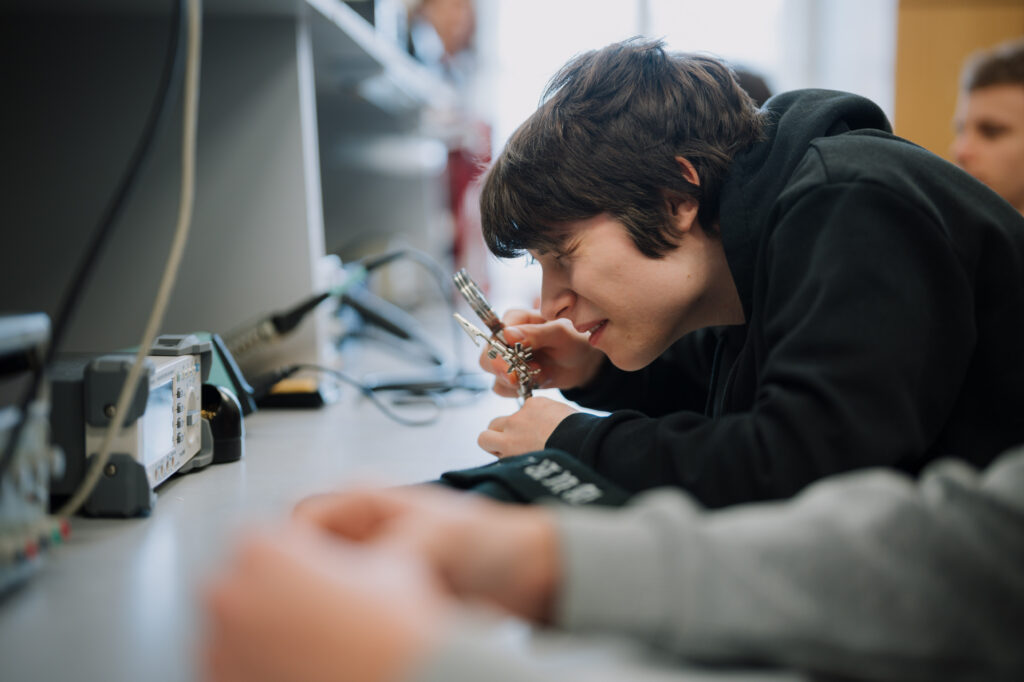
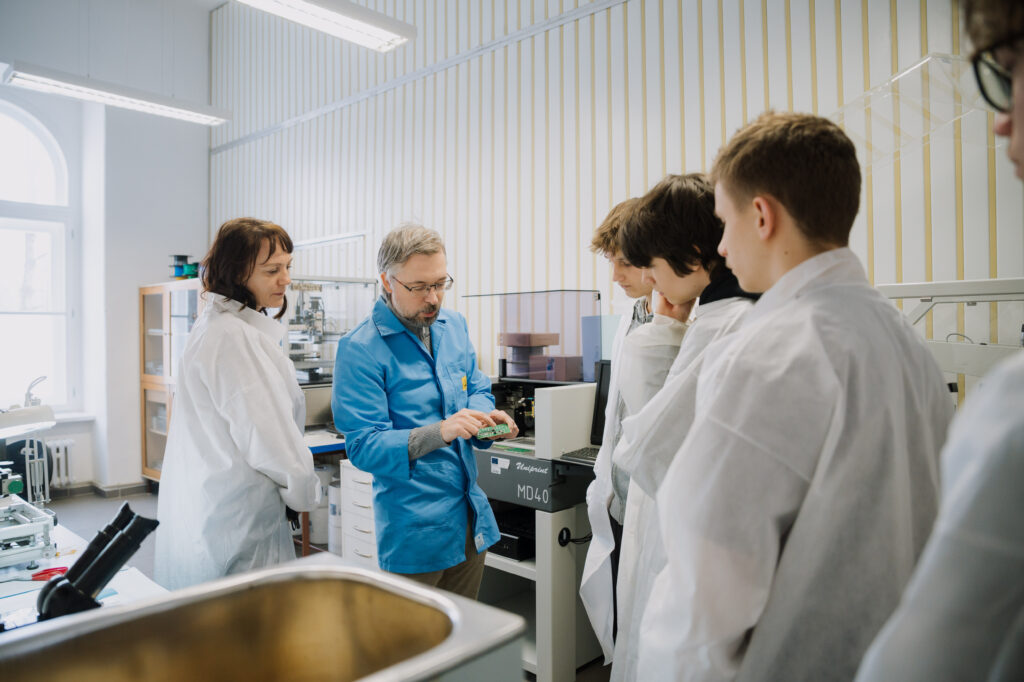
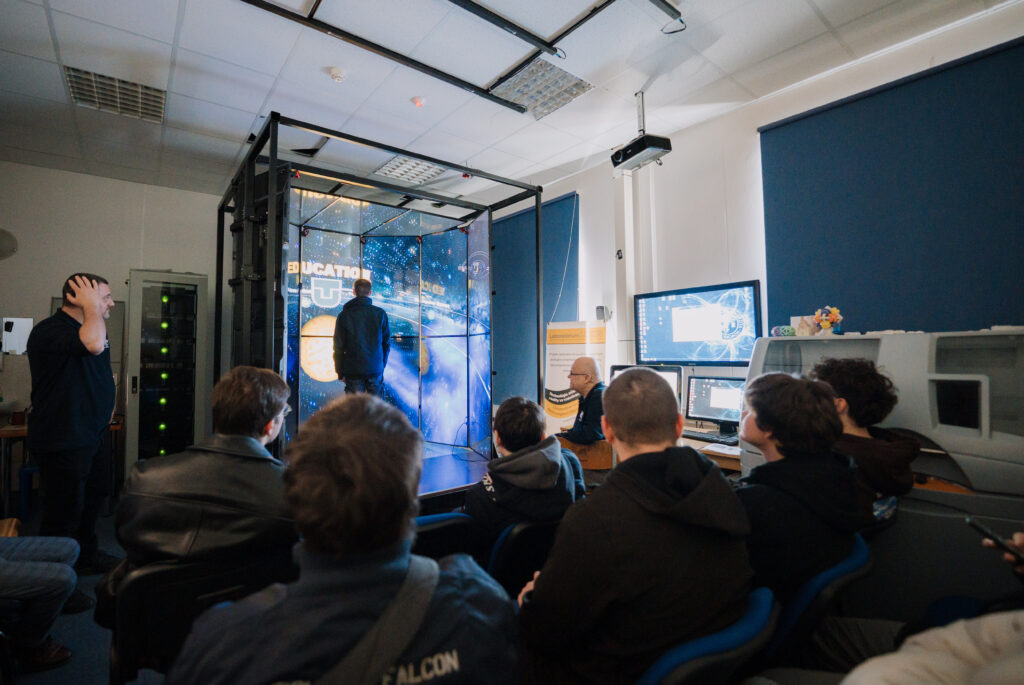
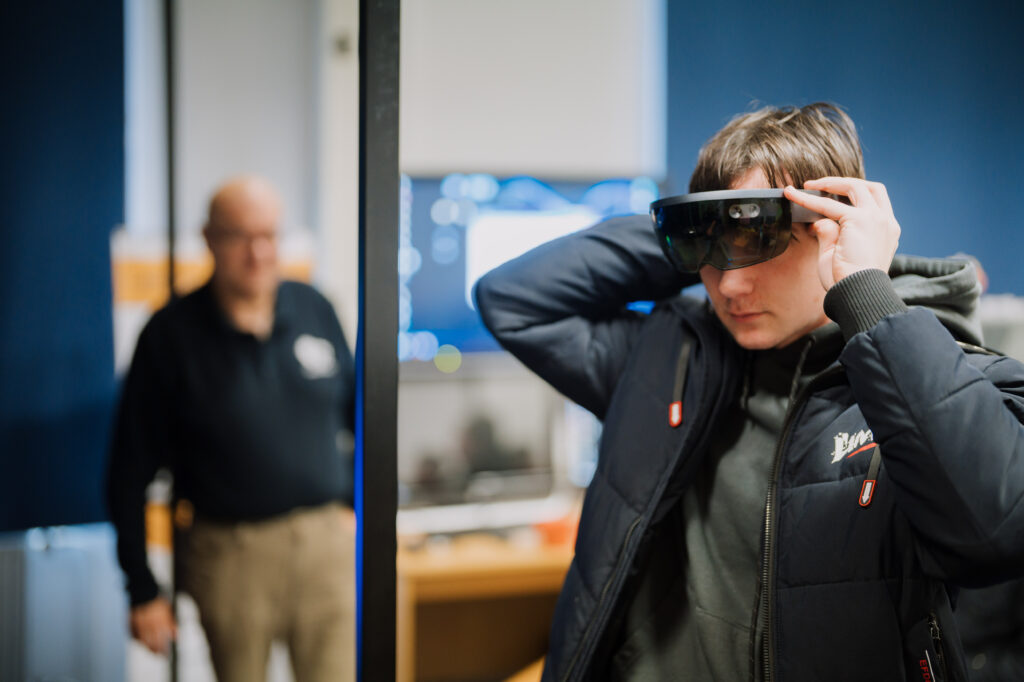
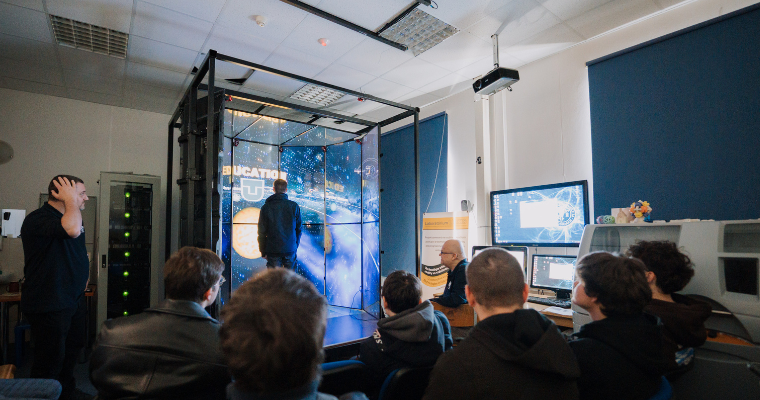
The program continued at the Faculty of Electrical Engineering and Informatics of the Technical University in Košice, where students visited the LIRKIS laboratory and got an insight into the functioning of the Perun supercomputer.
“We are glad that we were able to introduce the students to the environment of an IT company and the way technology teams work,” said Dominika Petrová from Cassovia Code.
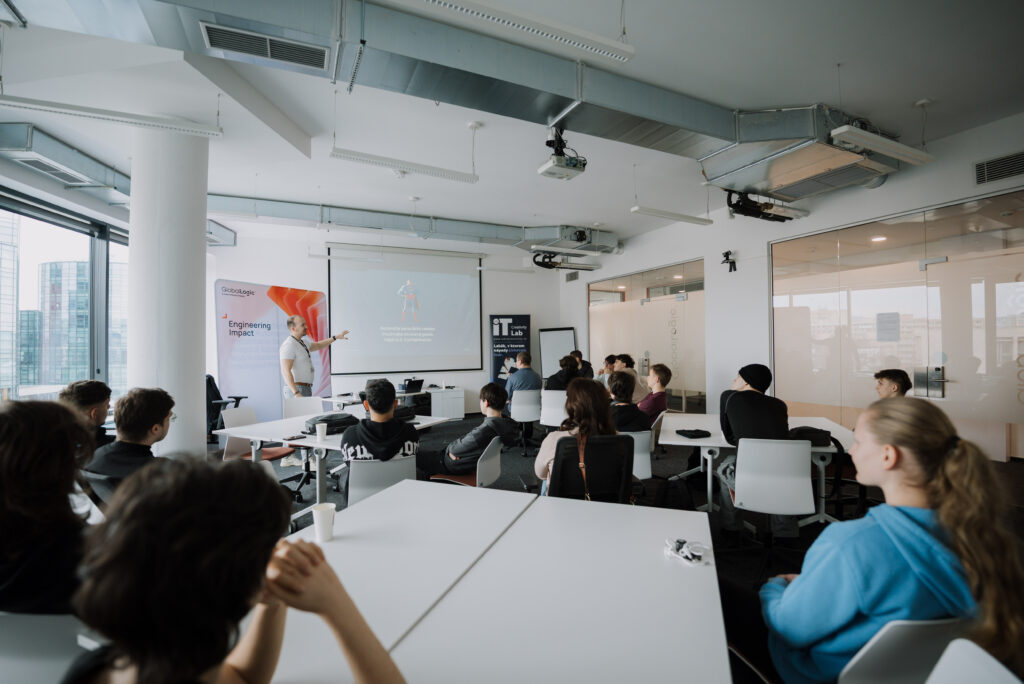
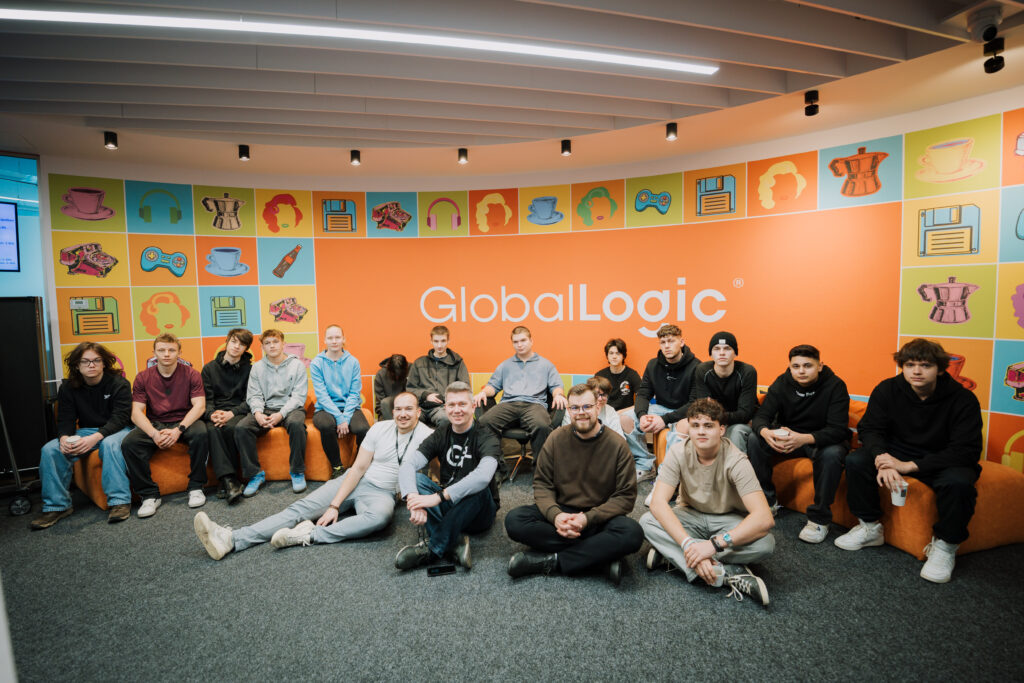
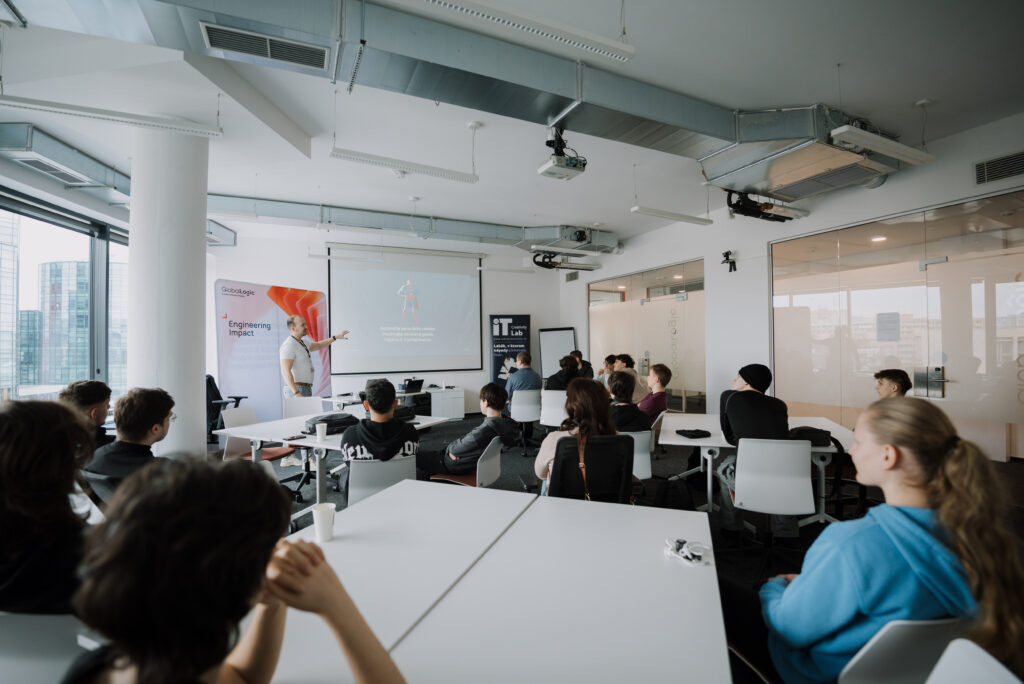
Another workshop took place at GlobalLogic Slovakia, where students from the Secondary Vocational Technical School Rožňava worked with the design thinking methodology and developed presentation skills.
“Connecting students with practice is extremely important during their studies,” emphasized Tibor Radačovský from GlobalLogic Slovakia.
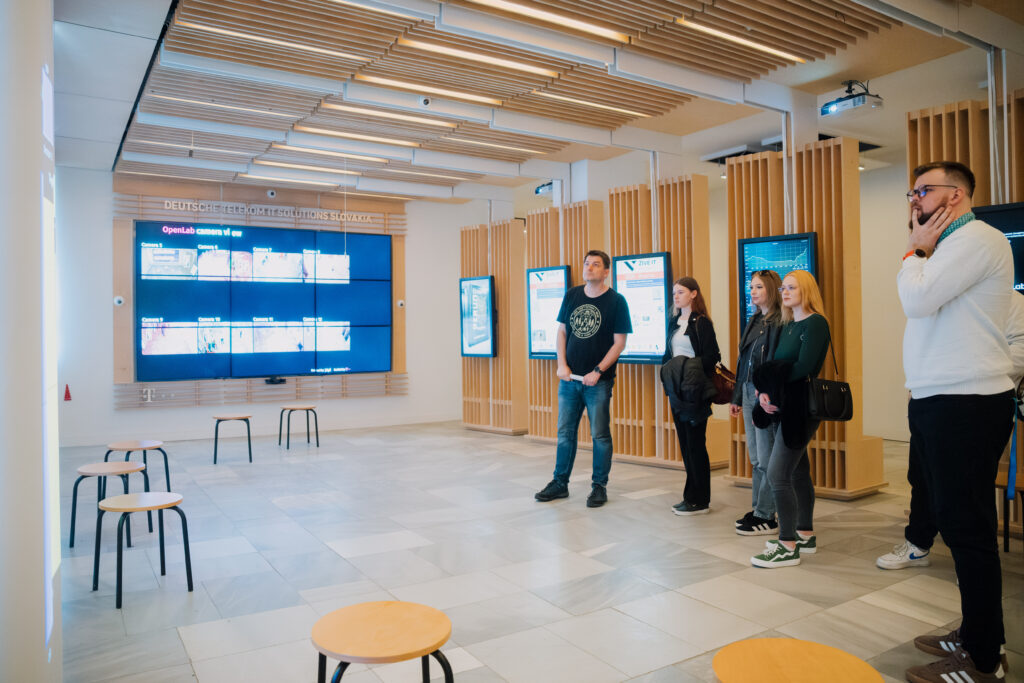
Visma Labs was also involved in the project, where students from Katkin Park Private High School got to know the workings of an international IT company and tried their hand at solving real tasks in teams.
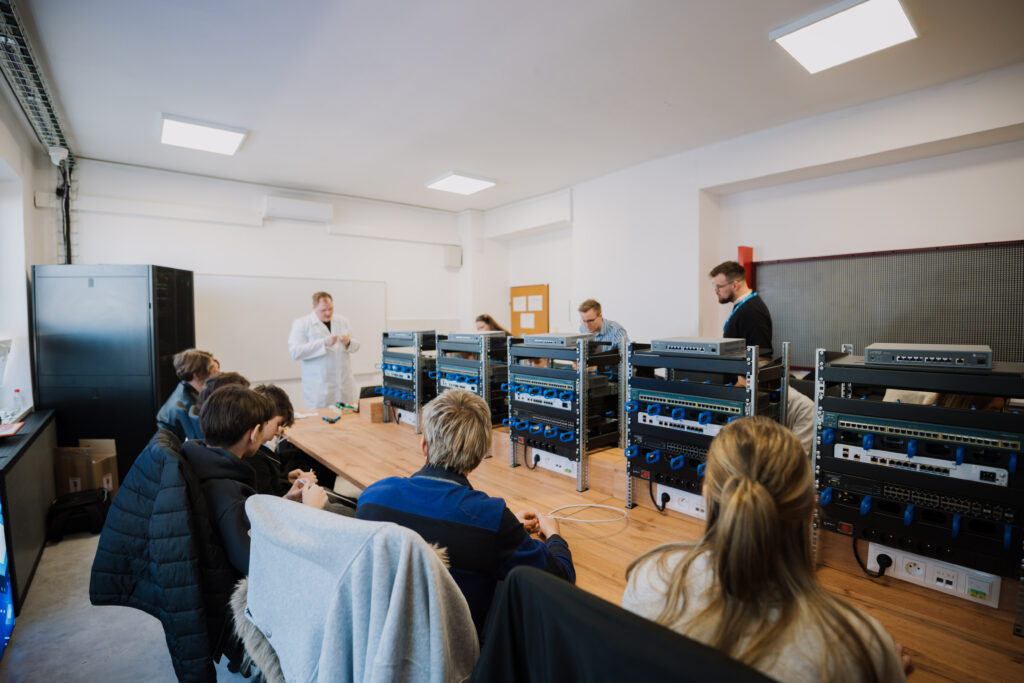
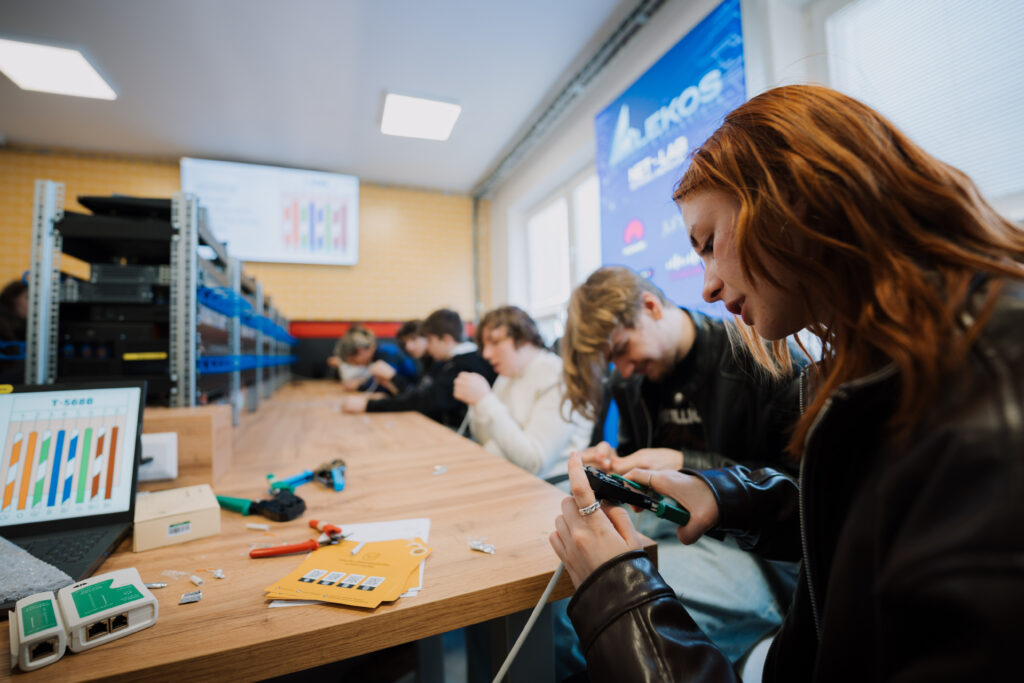
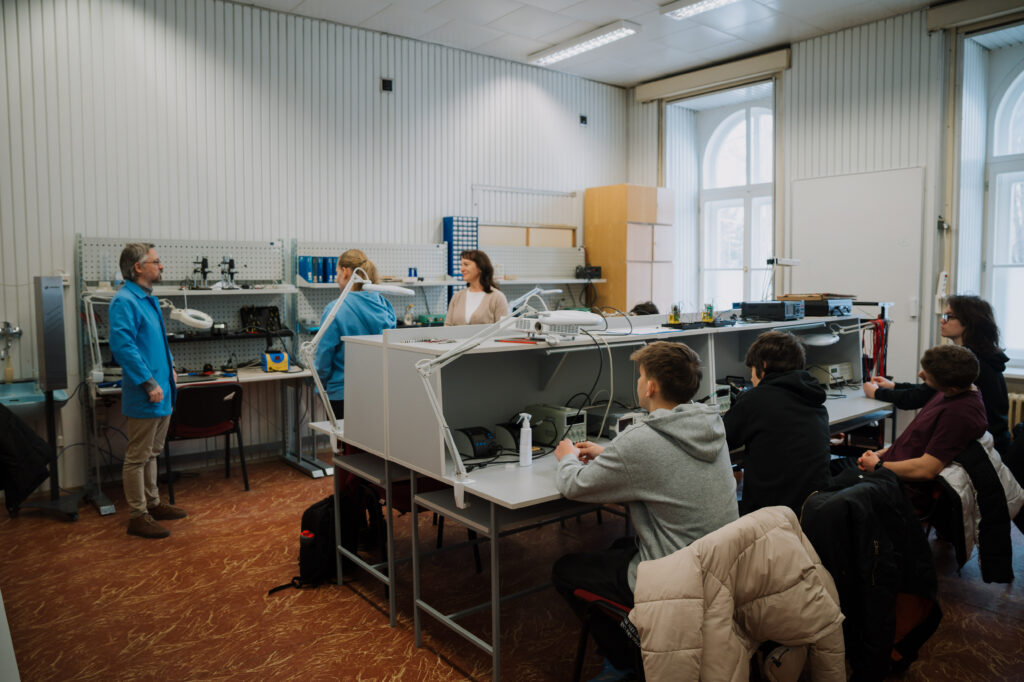
The programme also included a visit to the NetLab laboratory at the FEEIT TUKE, where the students practically tested the production of an Ethernet cable.
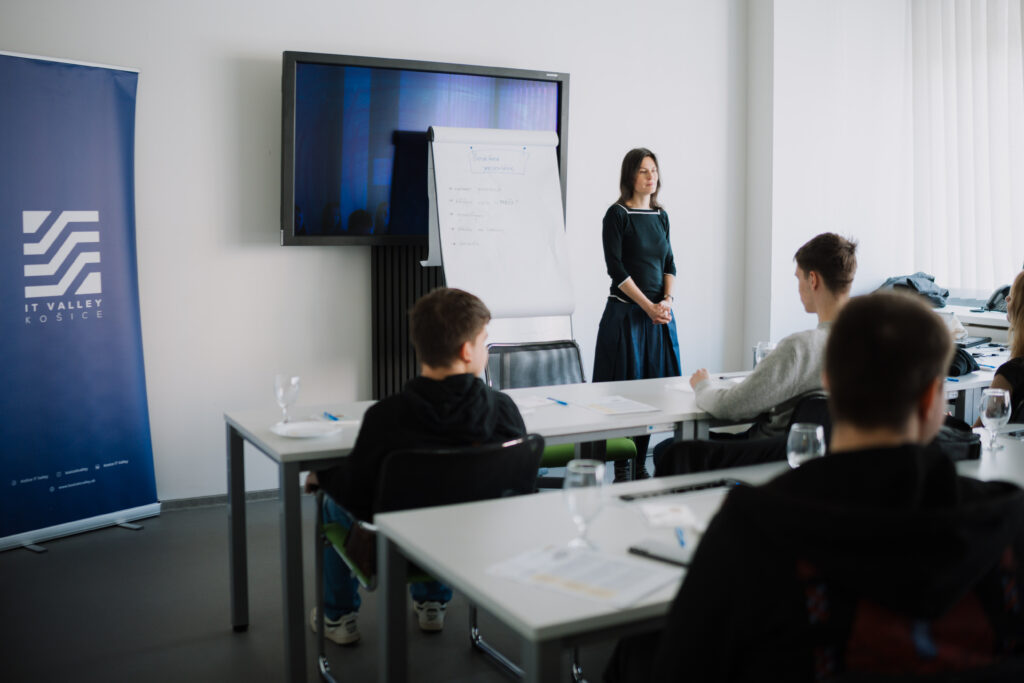
“It’s great to see how interested young people are in such activities,” adds Dominik Ondrášek from Visma Labs.
Entrepreneurship as a key skill for the future
The Lab IT Creativity 2.0 project confirms that the development of entrepreneurship should be a natural part of education. It is not only about knowledge, but also about the ability to take initiative, to collaborate, to find solutions and to turn ideas into results.
Connecting schools, universities and businesses also helps young people to better understand their future options and strengthens their relationship with the region.
“Entrepreneurship today is not just about starting a company. It means being able to see opportunities, think creatively and not be afraid to act,” concludes Miriama Hučková.